Is Your Crane Ready for Spring?
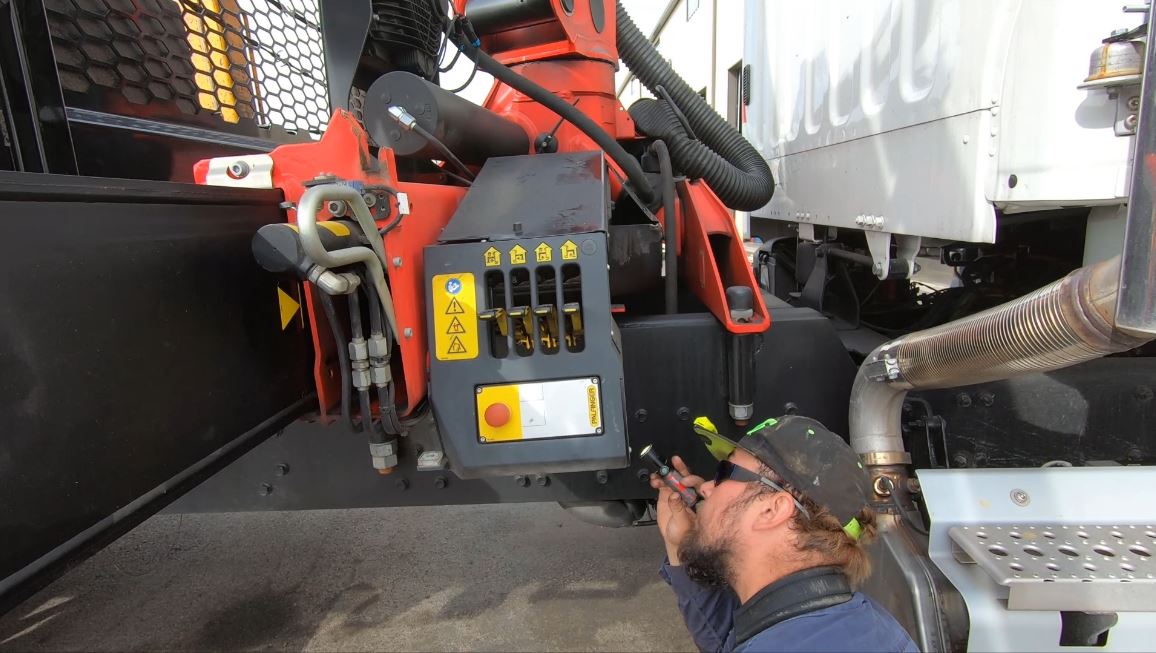
Spring is one of the busiest seasons for crane work in the Chicago area. As soon as the weather breaks, projects ramp up fast—and equipment that’s been sitting through winter suddenly needs to perform without hesitation. The problem? Small maintenance items that were manageable in winter can quickly turn into costly downtime once schedules tighten.
Now is the time to make sure your crane is truly spring-ready.
1. Are Your Inspections Up to Date?
Why it matters:
Annual and periodic inspections aren’t just paperwork—they catch wear and damage that winter conditions often accelerate.
What to check:
- ANSI/OSHA inspection status and documentation
- Wire ropes for corrosion, broken strands, or flat spots
- Hooks for wear, cracks, or latch issues
- Pins, bushings, and sheaves for excessive play
- Load charts and decals for legibility
Regular inspections save you time and money by addressing damage before it can advance.
2. Has the Crane Been Properly Lubricated?
Why it matters:
Cold weather pushes grease out of critical areas and allows moisture to creep in. Lack of lubrication leads to premature wear and stiff operation.
What to check:
- Boom sections and wear pads
- Sheaves, pins, and bushings
- Swing bearings and rotation components
- Outrigger beams and extension mechanisms
Using the correct grease type and interval is key—especially after winter exposure.
3. Are Hydraulics Ready for Warmer Temperatures?
Why it matters:
Hydraulic systems that struggled in the cold may mask issues that show up once oil thins in warmer weather.
What to check:
- Hydraulic fluid condition and level
- Leaks at hoses, fittings, and cylinders
- Smooth, consistent boom movement
- Proper pressure readings
Spring is the right time to correct small leaks before they turn into failures under heavier use.
4. Has Electrical and Safety Equipment Been Checked?
Why it matters:
Moisture, salt, and temperature swings take a toll on sensors and controls—especially over winter.
What to check:
- Load moment indicators and safety systems
- Outrigger and level sensors
- Control stations and emergency stops
- Lights, cameras, and alarms
Faulty safety systems can shut down a crane at the worst possible time.
5. Are Wire Rope and Rigging Components Spring-Ready?
Why it matters:
Winter corrosion and lack of use can hide damage until the crane is back under load.
What to check:
- Proper rope lubrication
- Signs of corrosion or broken wires
- Equalization and spooling condition
- Compatibility of rigging with upcoming jobs
Catching rope issues early helps prevent unexpected jobsite shutdowns.
6. Is the Truck Chassis Ready for Heavy Use?
Why it matters:
Once cranes hit the road daily, truck issues become just as disruptive as crane-related problems.
What to check:
- Brakes, suspension, and steering
- Tires and tire pressures
- Fluids, filters, and belts
- Frame and outrigger mounting points
Road readiness matters just as much as lifting capability.
Don’t Let Spring Catch You Off Guard
Spring work moves fast, and service schedules fill up quickly. A proactive inspection and maintenance check now can help ensure your crane is ready to go when the first calls come in.
Whether your crane has been working all winter or parked for months, a spring readiness check can help reduce downtime, improve safety, and extend equipment life.
Have questions or want to schedule a spring inspection?
Our service team works with cranes in real Midwest conditions every day and can help you prepare for the busy season ahead.