When Is It Time to Replace a Truck?
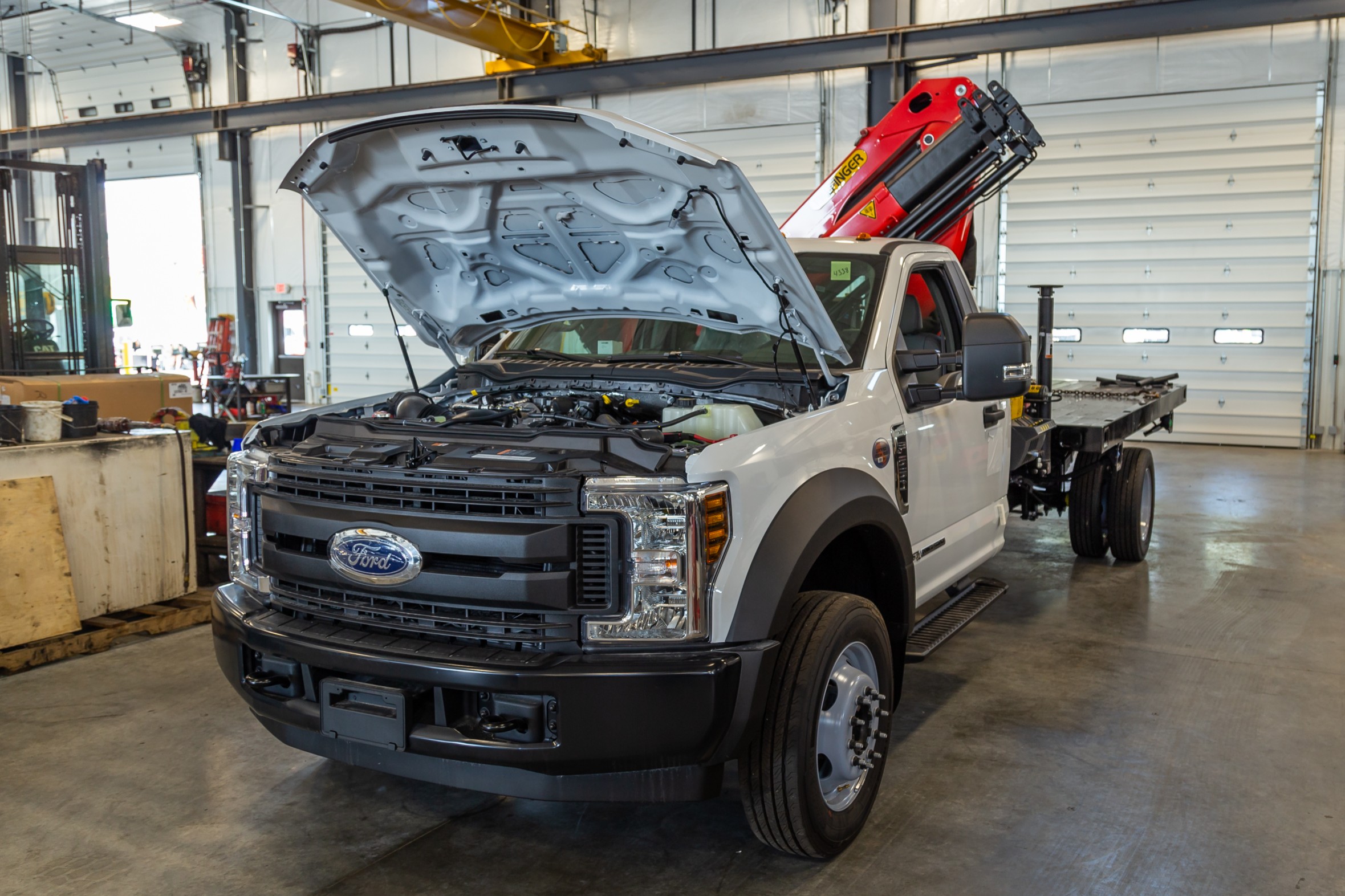
One of the most difficult decisions for any fleet manager is determining when to replace equipment. Replace too early, and you may not maximize the value of the asset. Replace too late, and repair costs, downtime, and reliability issues can quickly outweigh any savings.
So how do you know when it's time?
Many fleets use age as a benchmark, but age alone doesn't tell the entire story. A well-maintained truck with high miles may continue performing reliably for years, while a younger truck that has experienced severe duty cycles may require frequent repairs.
The better question is: "How well is the truck performing today?"
Three Metrics to Watch: Maintenance, Downtime, and Parts Availability
MAINTENANCE COSTS: A good indicator is the trend in maintenance expenses. When annual repair costs continue to rise year after year, replacement should become part of the discussion.
Most equipment follows a predictable pattern:
- Lower maintenance costs during the early years
- Gradual increases as components wear
- Accelerating repair costs as major systems require attention
DOWNTIME: Repair costs are only one piece of the equation. If a truck spends significant time in the shop, the resulting downtime can be more expensive than the repairs themselves. Lost productivity, rental expenses, delayed projects, and overtime costs should all be considered when evaluating replacement.
PARTS AVAILABILITY: As trucks age, replacement parts may become more difficult to source. Long lead times can turn what should be a simple repair into weeks of downtime. This challenge is becoming increasingly common as manufacturers update chassis platforms and discontinue older components.
Benefits of Newer Equipment
Newer equipment often includes advancements in:
- Stability systems
- Safety interlocks
- Operator controls
- Diagnostics
- Emissions performance
- Fuel efficiency
These improvements can provide value beyond simple reliability.
Questions to Ask
If you answer "yes" to several of these questions, it may be time to evaluate replacement options:
- Are repair costs increasing each year?
- Is the truck spending more time out of service?
- Are parts becoming difficult to obtain?
- Has reliability become a concern for operators?
- Are newer technologies offering meaningful operational benefits?
There is no perfect age or mileage that determines when a truck should be replaced. The best replacement decisions are based on data, maintenance history, utilization, and overall cost of ownership.
The goal is to keep crews productive, safe, and working with reliable equipment that supports the business.
Tech Tip from the Shop: Track Repairs by Truck, Not Just by Invoice
Many fleets know what they spent on repairs last year, but few know which truck consumed the majority of those dollars.
Maintain a simple spreadsheet that tracks:
- Repair date
- Description of repair
- Cost
- Days out of service
When one truck consistently requires more repairs and downtime than the rest of the fleet, it's often a sign that replacement planning should begin before a major failure occurs.